Role of Guidance and Participation in Inclusive Education

The role of guidance and participation in inclusive education is crucial for creating a supportive and empowering learning environment for all students, regardless of their abilities, backgrounds, or diverse needs.

Here is a detailed explanation of the role of guidance and participation in inclusive education:

  1. Guidance for Teachers and Educators: Inclusive education requires guidance and support for teachers and educators to develop the necessary knowledge, skills, and attitudes to meet the diverse needs of students. This guidance includes:

a) Professional Development: Providing ongoing professional development opportunities to enhance teachers’ understanding of inclusive practices, differentiated instruction, assessment strategies, and classroom management techniques.

b) Collaboration and Networking: Facilitating collaboration among teachers, special educators, support staff, and specialists to share expertise, exchange ideas, and develop effective teaching strategies for diverse learners.

c) Access to Resources: Ensuring teachers have access to appropriate resources, including instructional materials, assistive technologies, and specialized equipment, to meet the individual learning needs of students.

  1. Individualized Support for Students: Guidance and participation in inclusive education involve providing individualized support to students to help them succeed in the classroom. This support includes:

a) Individual Education Plans (IEPs): Developing and implementing IEPs for students with special educational needs, outlining specific goals, accommodations, and support services tailored to their individual requirements.

b) Differentiated Instruction: Adapting teaching methods, materials, and assessments to accommodate students’ diverse learning styles, abilities, and interests. This ensures that all students can actively engage and access the curriculum.

c) Personalized Learning: Recognizing and addressing the unique strengths and challenges of each student, promoting self-directed learning, and setting achievable goals that promote their academic, social, emotional, and behavioral development.

  1. Collaboration with Families and Communities: Guidance and participation in inclusive education involve actively involving families and communities in the education process. This collaboration includes:

a) Parental Involvement: Encouraging parents to actively participate in their child’s education, seeking their input and involving them in decision-making processes related to their child’s educational journey.

b) Open Communication: Establishing effective channels of communication between schools, teachers, and parents, ensuring regular updates, sharing progress reports, and discussing strategies to support students’ learning and well-being.

c) Community Engagement: Creating opportunities for students to connect with their local communities, engaging in inclusive practices and fostering a sense of belonging, respect, and understanding for all individuals.

  1. Advocacy and Policy Development: Guidance and participation in inclusive education extend to advocating for inclusive policies, promoting awareness, and actively contributing to the development of inclusive practices. This involves:

a) Advocacy for Inclusive Policies: Collaborating with stakeholders, policymakers, and educational authorities to advocate for inclusive policies and legislation that support the rights and equitable access to education for all students.

b) Creating Inclusive School Culture: Promoting a positive and inclusive school culture that celebrates diversity, fosters tolerance, and embraces the principles of inclusivity, respect, and equality.

c) Addressing Barriers and Challenges: Identifying and addressing systemic barriers and challenges that hinder inclusive education, such as physical accessibility, social stigmas, discriminatory practices, and lack of resources.

In conclusion, guidance and participation play a crucial role in creating an inclusive education system. By providing guidance and support to teachers, individualized assistance to students, collaborating with families and communities, and advocating for inclusive policies, inclusive education can be effectively implemented to ensure equitable access, participation, and success for all learners.

Also Visit: Prep with Harshita
Role of Guidance and Participation in Inclusive Education

Also Read : Person with Disabilities act

New York Regent Examinations

The New York State Regent Examinations are a set of standardized tests administered in New York State high schools. These exams are designed to assess students’ knowledge and skills in various subjects and determine their eligibility for a high school diploma.

Here are some key details about the New York Regents Examinations:

Subjects: Regents Examinations are offered in a range of subjects, including English Language Arts, Mathematics, Science, Social Studies, and several foreign languages.

Requirement for Graduation: To earn a Regents Diploma or an Advanced Regents Diploma, students in New York State are generally required to pass specific Regents Examinations as part of their high school graduation requirements.

Exam Format: Regents Examinations typically consist of multiple-choice questions, constructed response questions, and extended essay tasks, depending on the subject. The format may vary slightly between subjects, but each exam is designed to assess students’ understanding, critical thinking skills, and ability to apply knowledge.

Scoring: Regents Examinations are scored on a scale of 0-100, with a passing score generally set at 65 or above. Some exams may have additional scoring components, such as laboratory practical exams for science subjects.

Administration: Regents Examinations are administered at specific times during the school year, usually in January, June, and August. The exams are typically held in designated testing locations within the high schools.

Regents Diploma with Honors and Advanced Designation: In addition to the standard Regents Diploma, students can earn a Regents Diploma with Honors or an Advanced Regents Diploma by meeting additional criteria, including passing a specified number of Regents Examinations at a higher level and achieving higher scores.

Regents Review: Many schools provide Regents review materials, study guides, and preparatory courses to help students prepare for the exams. These resources may include past exam questions, practice tests, and targeted instruction to reinforce key concepts.

Importance: Regents Examinations play a significant role in assessing student achievement and determining eligibility for high school graduation in New York State. They provide a standardized measure of students’ knowledge and skills in specific subject areas.

It’s important to note that the details and requirements of Regents Examinations may be subject to change, so it is advisable to consult with your school or the New York State Education Department for the most up-to-date information regarding these exams and graduation requirements.

Also Visit : Prep with Harshita

New York Regent Examinations

Also Read : Side Hustle Ideas for Students

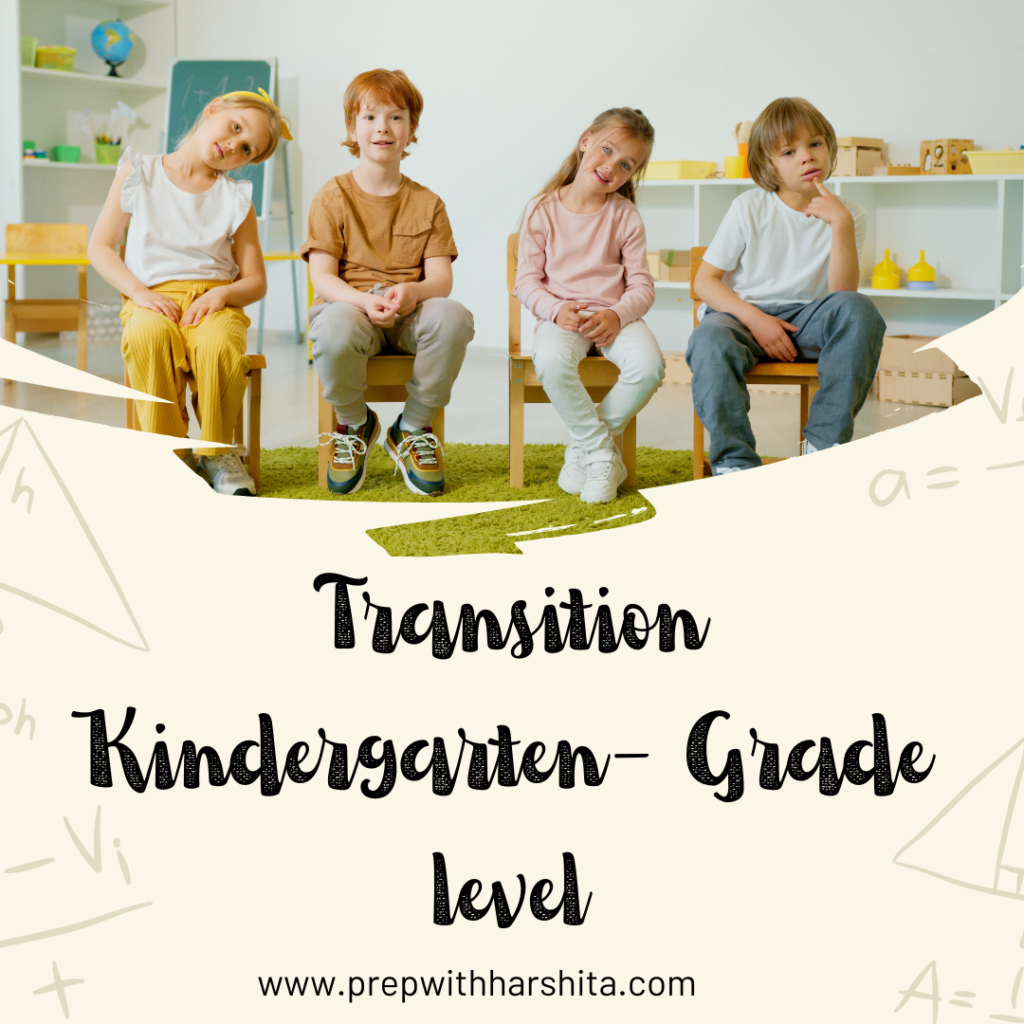
Transitional Kindergarten – Grade Level

Transitional Kindergarten (TK) is an educational program that serves as a bridge between preschool and kindergarten. It is designed for children who may benefit from an additional year of preparation before entering traditional kindergarten.

  • In the United States, TK is typically for children who turn five years old between a specific date (often in the fall) and the cutoff date for kindergarten enrollment. The cutoff dates vary by state and district. TK is not available in all states and is more commonly found in California.
  • The curriculum in TK focuses on foundational skills that prepare children for kindergarten. It may include language and literacy development, math concepts, social-emotional skills, fine motor skills, and basic classroom routines. The emphasis is on fostering socialization, independence, and a love for learning.
  • TK classrooms often have smaller student-to-teacher ratios, allowing for more individualized attention and support. Teachers in TK use age-appropriate teaching strategies and provide a nurturing environment that promotes exploration, creativity, and problem-solving.

Few Features of Traditional Kindergarten Grade Level:

  1. Purpose and Benefits: TK is designed to provide an additional year of development and preparation for children who may benefit from more time before entering traditional kindergarten. It aims to support children in developing essential skills and readiness for academic success. Some potential benefits of TK include enhanced social-emotional skills, improved language and literacy abilities, stronger foundational math skills, and increased school readiness.
  2. Age Eligibility: TK is typically offered to children who turn five years old between a specific date (often in the fall) and the cutoff date for kindergarten enrollment. The specific age eligibility criteria can vary by state, district, or even individual schools. It’s important to consult with your local education authorities to determine the age requirements for TK in your area.
  3. Curriculum and Instruction: The TK curriculum focuses on foundational skills necessary for success in kindergarten and beyond. It may include activities and lessons in areas such as language and literacy development, basic math concepts, fine motor skills, social-emotional learning, and early science and social studies exploration. Teachers often use developmentally appropriate teaching strategies to engage students and promote active learning.
  4. Classroom Environment: TK classrooms are typically designed to create a nurturing and supportive learning environment. They may feature age-appropriate materials, learning centers, and a variety of educational resources to engage students. Teachers in TK often emphasize play-based learning, hands-on activities, and collaborative experiences to foster the development of social skills, critical thinking, and problem-solving abilities.
  5. Teacher-Student Ratio: TK classrooms often have lower teacher-student ratios compared to traditional kindergarten classrooms. This allows teachers to provide more individualized attention, support, and differentiated instruction to meet the unique needs of each student.
  6. Duration and Schedule: The duration and schedule of TK programs can vary. Some TK programs are full-day, operating on a similar schedule to kindergarten, while others may be half-day, providing shorter instructional periods. The specific hours and days of operation may depend on the policies and resources of the school or district offering the TK program.

It’s important to note that the availability, structure, and requirements of TK can vary by state, district, and even individual schools. It’s advisable to contact your local school district or educational institutions directly to gather specific and up-to-date information about Transitional Kindergarten in your area.

Child psychology videos : Prep with Harshita

Transition Kindergarten- Grade level

Also Read : Importance and Function of Language

How to Study without Getting Distracted

Studying without getting distracted can be challenging, but with some strategies and discipline, you can improve your focus and productivity.

Here’s a detailed guide on how to study without getting distracted:

  1. Create a Distraction-Free Environment:
    • Find a quiet and well-lit area where you can study without interruptions.
    • Minimize distractions by turning off notifications on your phone or using apps that block distractions.
    • Remove any unnecessary items from your study area that might tempt you to engage in non-study activities.
  2. Set Clear Goals and a Study Schedule:
    • Define specific goals for each study session to stay focused and motivated.
    • Break down your study material into smaller, manageable tasks.
    • Create a study schedule that allocates specific time slots for different subjects or topics.
    • Prioritize challenging or important tasks during your peak concentration hours.
  3. Use Effective Time Management Techniques:
    • Employ the Pomodoro Technique: Study for 25 minutes, take a 5-minute break, and repeat. After completing four cycles, take a longer break (15-30 minutes).
    • Use time-blocking: Allocate specific time blocks for different activities, such as studying, breaks, and leisure time.
    • Set deadlines for each task to create a sense of urgency and stay on track.
  4. Organize Your Study Materials:
    • Keep your study materials organized to minimize time wasted searching for resources.
    • Use folders, binders, or digital tools to categorize and store your notes, textbooks, and study guides.
    • Create a to-do list or use a planner to keep track of upcoming assignments, exams, and deadlines.
  5. Practice Active Learning Techniques:
    • Engage with the material actively by taking notes, summarizing concepts in your own words, or teaching the material to someone else.
    • Use mnemonic devices, mind maps, or flashcards to aid memory retention.
    • Practice self-quizzing or use online resources to test your understanding of the material.
  6. Break Down Study Sessions:
    • Divide your study sessions into shorter, focused blocks to maintain concentration.
    • Take short breaks between study sessions to recharge and prevent mental fatigue.
    • Incorporate physical activity or stretching during breaks to refresh your mind and body.
  7. Manage Digital Distractions:
    • Put your phone in silent mode or enable a do-not-disturb feature during study sessions.
    • Use website-blocking apps or browser extensions to restrict access to distracting websites or social media platforms.
    • Designate specific times for checking emails or messages, rather than constantly interrupting your study flow.
  8. Take Care of Your Physical and Mental Well-Being:
    • Get enough sleep to improve focus, memory, and cognitive function.
    • Maintain a healthy diet and stay hydrated to optimize brain function.
    • Incorporate regular exercise and relaxation techniques like meditation or deep breathing to reduce stress and improve concentration.
  9. Find an Accountability Partner:
    • Pair up with a study buddy or join a study group to keep each other motivated and accountable.
    • Schedule regular study sessions or check-ins to discuss progress and share study strategies.
  10. Reflect and Adjust:
    • Periodically evaluate your study habits and identify any recurring distractions or challenges.
    • Experiment with different techniques and approaches to find what works best for you.
    • Be flexible and adapt your study routine as needed.

Remember that building focus and concentration takes practice and consistency. Be patient with yourself and celebrate small victories along the way. With dedication and these strategies, you can enhance your ability to study effectively and reduce distractions.

Also Read : How to Memorize anything for long?

How to study without Getting Distracted?

Also Visit : How to Make Notes?

Side Hustle Ideas for Students

A side hustle is a way for students to earn additional income while balancing their academic responsibilities. It can provide valuable experience, financial independence, and the opportunity to develop new skills.

Here are several side hustle ideas for students, along with details on how to get started:

  1. Freelancing: Freelancing allows students to utilize their skills and work on projects for clients. Some popular freelance opportunities include writing, graphic design, web development, social media management, and virtual assistance. Websites like Upwork, Fiverr, and Freelancer.com connect freelancers with clients seeking their services. Students can create profiles highlighting their skills and previous work, and they can bid on projects or receive direct offers from clients.
  2. Tutoring: If you excel in a particular subject, tutoring can be a great side hustle. You can offer your tutoring services in person or online through platforms like Tutor.com or Wyzant. Advertise your services in local communities, schools, or college campuses. Building a good reputation and obtaining referrals from satisfied students can help you attract more clients.
  3. Online Content Creation: If you have a talent for creating engaging content, consider starting a blog, YouTube channel, or podcast. Choose a niche that interests you, such as fashion, beauty, technology, gaming, or education. Consistently produce high-quality content and promote it through social media channels to grow your audience. Once you gain a substantial following, you can monetize your content through advertising, sponsored posts, brand partnerships, and merchandise sales.
  4. Delivery Services: With the rise of food delivery and online shopping, becoming a delivery driver can be a flexible side hustle. Platforms like Uber Eats, DoorDash, Instacart, and Amazon Flex, Dunzo allow students to deliver food, groceries, and packages in their spare time. You can set your availability, work when it suits you, and earn money based on the number of deliveries you complete.
  5. Handmade Crafts: If you have creative skills, consider making and selling handmade crafts. This could include items like jewelry, artwork, clothing, or home decor. Set up an online store on platforms like Etsy or Shopify to showcase and sell your products. Utilize social media platforms and local craft fairs to market your creations.
  6. Pet Sitting/Dog Walking: If you’re an animal lover, offering pet sitting or dog walking services can be a rewarding side hustle. Many pet owners are in need of reliable individuals to care for their pets while they are at work or away. Advertise your services in local communities, vet offices, or pet stores. You can also create profiles on websites like Rover or Wag to connect with pet owners seeking care for their furry friends.
  7. Social Media Management: Many businesses and individuals require help managing their social media presence. Offer your services to create content, schedule posts, engage with followers, and analyze metrics. Develop a portfolio showcasing your social media skills and approach local businesses or reach out to individuals who may need assistance.
  8. Event Planning: If you have excellent organizational skills and enjoy planning, consider offering event planning services. Help clients organize parties, weddings, conferences, or fundraisers. Start by planning events for friends or family members and expand your network through referrals.
  9. Language Tutoring: If you are fluent in multiple languages, offer language tutoring services to individuals or small groups. You can teach conversational skills, grammar, or prepare students for language exams. Advertise your services in language schools, community centers, or online platforms.
  10. Photography: If you have photography skills and own a decent camera, consider offering your services as a photographer. Capture events, portraits, or even product photography for local businesses. Create a portfolio showcasing your work and market yourself through social media and local directories.
  11. Fitness Instruction: If you are passionate about fitness and have expertise in a specific area like yoga, pilates, or personal training, become a fitness instructor. You can offer classes at local gyms, community centers, or even host virtual classes through platforms like Zoom.
  12. Mobile App or Web Development: If you have programming skills, offer your services to develop mobile apps or websites for businesses or individuals. Create a portfolio demonstrating your previous projects and market yourself on freelance platforms, developer forums, or local business networks.
  13. Virtual Assistant: Many professionals and entrepreneurs require assistance with administrative tasks. Offer virtual assistant services, such as email management, appointment scheduling, data entry, or research. You can find virtual assistant opportunities on platforms like Upwork, Freelancer, or Remote.co.
  14. Graphic Design: If you have design skills, offer graphic design services to clients. Create logos, business cards, flyers, social media graphics, or website banners. Build a portfolio showcasing your work and market yourself on freelance platforms or through local business networks.

    Remember to consider your skills, interests, and available resources when choosing a side hustle. Adapt the ideas to suit your unique circumstances, and don’t hesitate to explore other opportunities that align with your strengths and passions.

Also Visit this for Productivity: Productivity Playlist

15 side hustle ideas for students

Also Read : How to Memorize anything for long?

Make your learning journey easy and much interesting